
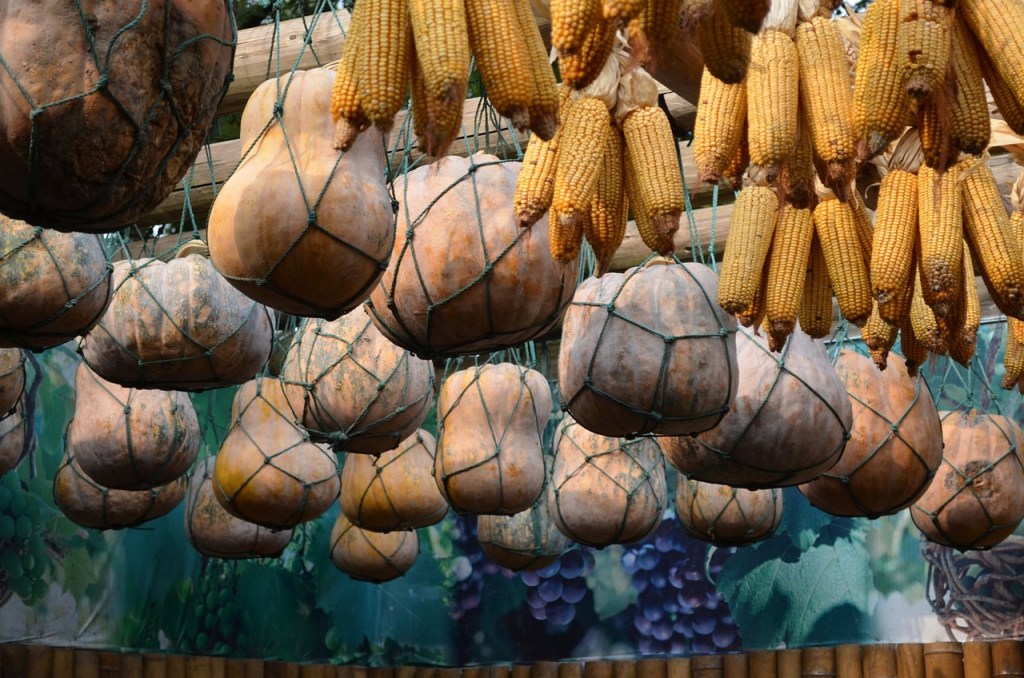
by Marylea Quintana
Hey there, fellow nature enthusiasts and sustainable agriculture advocates! Today, I want to take you on a journey into the fascinating world of Native American agricultural practices and shed light on the incredible wisdom behind the Three Sisters Casserole. This traditional farming technique, which involves planting corn, beans, and squash together, is a perfect example of nature’s brilliance and the beautiful harmony that can exist in our agricultural endeavors.
The Three Sisters Casserole: A Time-Honored Native American Practice
The Three Sisters Casserole is not just a recipe; it’s an ancient agricultural practice that dates back centuries. Developed by Native American tribes, this method involves planting three essential crops—corn, beans, and squash—in close proximity. These crops thrive together in a mutually beneficial relationship, creating a sustainable and efficient farming ecosystem.
Braiding Sweetgrass: A Tale of Symbiosis
In our exploration, we must delve into the teachings of the brilliant botanist and Native American author, Robin Wall Kimmerer. Her book, “Braiding Sweetgrass,” beautifully narrates the traditional wisdom of the Three Sisters and their profound connection to Native American culture. Kimmerer highlights the symbiotic relationship between these three plants, where each plays a crucial role in supporting the others.
Corn provides a natural trellis for the climbing beans, allowing them to reach for the sky while stabilizing the corn’s tall stalks. The beans, in turn, contribute to the soil’s fertility by fixing nitrogen, enriching the ground for future crops. Meanwhile, the low-growing squash leaves create a living mulch, preventing weeds from taking over and keeping the soil moist and cool.
Clash of Perspectives: European Settlers vs. Modern Monoculture Farming
As we dig deeper into history, we find that European settlers arrived with their own agricultural practices, ones that clashed with the Native American methods. While the Three Sisters Casserole demonstrated an intricate understanding of nature’s interconnectedness, the settlers often perceived it as unorganized and inefficient.
This clash of perspectives led to the widespread adoption of monoculture farming—a practice still prevalent in modern agriculture. Monoculture focuses on growing a single crop over vast areas, which can lead to soil depletion, increased pesticide usage, and ecological imbalances. In contrast, the Three Sisters approach offers a sustainable and regenerative way to cultivate the land.
Embracing Sustainability: The Relevance of the Three Sisters Approach Today
Now, the big question is: How can we apply the wisdom of the Three Sisters Casserole in today’s world? The answer lies in sustainable agriculture practices. As we face challenges like climate change, soil degradation, and food insecurity, we must turn to time-tested methods like the Three Sisters to create a more sustainable future.
By adopting polyculture techniques and intercropping, modern farmers can mimic the harmonious relationships seen in the Three Sisters method. This approach reduces the need for harmful chemicals, promotes biodiversity, and improves soil health. Moreover, embracing indigenous knowledge and traditional practices can bridge the gap between the past and the present, offering a path to a more sustainable and respectful coexistence with nature.
 Feral Polymaths