
On Just Letting Pain and Incompetence Happen While Hoping for the Best. Because Whatever…

by Gayle Towell

Oh, Pain. You’re always there for me when no one else is. My companion. My friend. I’ve made my peace with you. I mean, you haven’t killed me yet. Perhaps you’ve made me stronger.

So, here’s my follow up to my dental saga.

Beware that the following contains an arguably mentally unhealthy approach to the matter.

I made an appointment with a new dentist. I knew nothing about this dentist, just picked what was closest and had openings. Why so haphazard, you say? Because anytime I ever try to do my research online to pick just the right person, it seems to always end up a crapshoot anyway. I was just saving myself that intermediate step.

New dentist appears to be just out of dental school. Brand new. That’s ok, I tell myself. Might mean she’s extra trained with lots of fresh knowledge! Also, the dentist office seems like they got their shit together. X-rays went well and whatnot.

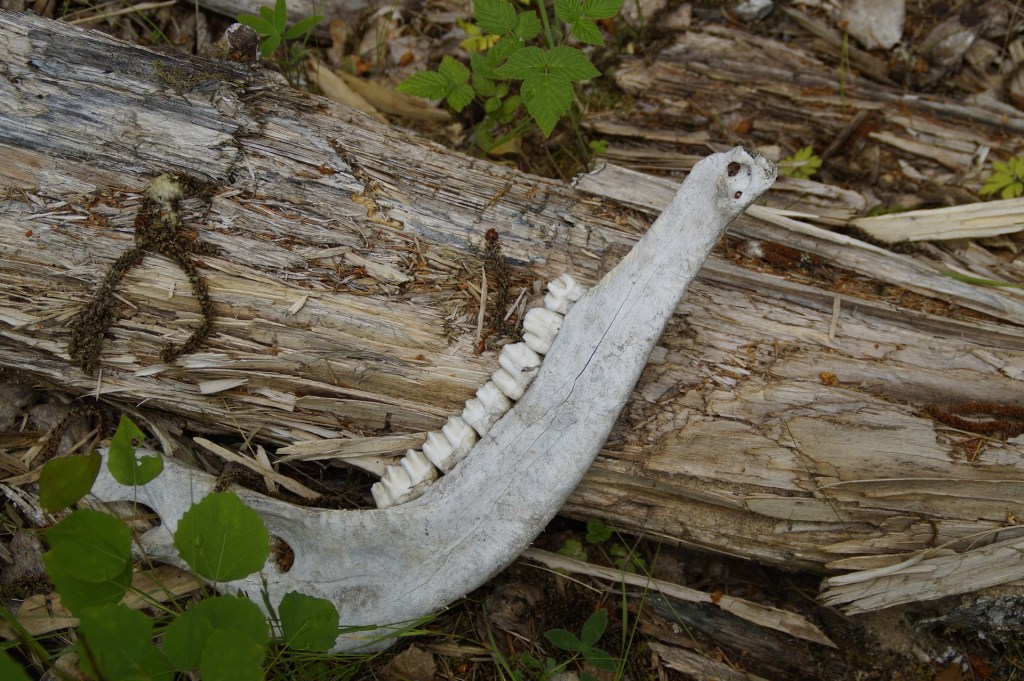
Overall, no major complaints about this dentist, though she did try to tell me (just as two different people over the phone have) that the bone poking through my gums was a free-floating “spicule” that would come out on its own eventually, or they could just pull it out real easy. Even though I was like, no, I’m pretty freaking sure it’s attached to my jawbone still.

But you know what? I decided I couldn’t care anymore. I was going to throw caution to the wind and just ride with whatever the “experts” say all the way to the end.

So I said, sure, go ahead, let’s pull it out!

But then somewhere in the process of obtaining insurance approvals and planning the procedure, the story changed, and I had to be referred to an oral surgeon. (And when I tried to ask what changed, no one could tell me. Curious. But whatever…)

A very kind reception person then helped with the referral and managed to get me in to see someone the very next day.

Great!

I googled the person I was going to see. He also seemed to be pretty fresh out of school. Hooray! Another adventure awaits…

Also, I checked the notes left on my “mychart” for the dental office and noticed that they now recommended “alveoloplasty” which is where they reshape the sharp pokey jaw bone (as opposed to plucking out a spicule).

At the oral surgeon the following afternoon, I’m fully committed to just letting them fuck up my mouth in whatever way they’d like and I would just roll with it. I mean, my mouth already hurt, and with chunks of bone poking through my gums, what was there to lose?

Well, my friends. The individual assisting the oral surgeon was also pretty new. At least, I fucking hope that’s the excuse. The surgeon himself, however, seemed to know things. I think? I hope. I think he fixed stuff. We’ll see.

But back to the assistant. Holy hell, folks. It was amazing.

You know how when they’re going to numb you at the dentist, they put that Q-tip with topical directly on the spots they’re going to inject, leave it there for a few minutes, remove, rinse, then the dentist injects? Well, that’s not this lady’s strategy. She had the Q-tip and swabbed it all around all over the left side of my mouth – back corner, along my gums both top and bottom as well as tongue-side and cheek-side.

It was super gross. That stuff does not taste good at all. I was very quickly begging for rinse and spit, which she was sparing with.

So at this point, the entire (and I mean ENTIRE) left side of my mouth was swabbed with topical, but nothing was applied to the right side.

Then the surgeon comes in to inject the local anesthetic. He begins on my right side.

So that hurt.

And then he did the left side. Which also hurt, because the topical was smeared all over instead of concentrated on the location where the injection would occur.

Side note: When I got home, I googled how this topical anesthetic is supposed to be applied in case somehow they do things differently since the last time I had a cavity filled. Nope. I’m not crazy. She did indeed do it completely wrong. It was as if this person had never done this before, never been taught how to do this, and never had it done to her. She was just making it up as she went, with full confidence. She also said nothing whatsoever as she watched the dentist inject the right side first. There was no, “Oh wait, I didn’t realize we were doing both sides” or anything. And as I said previously, I stopped caring and was ready to ride this adventure wherever it led, so I said nothing as well. (My physical body, however, was having some fun reactions. Tears were just pouring down my face and I was shaking. Good times.)

The shots took effect. Hooray for being numb. The next steps were to cut open my gums, file down my jaw pokeys, and sew it back up again. As far as I could tell, the surgeon did ok with this. But this assistant person continued with confident chaos. She didn’t seem to know how to do the suction right and was constantly getting corrections. She kept hitting my front teeth with the tools and I was worried she was going to break one of them. And she would stab the back of my jaw and my throat with various tools. This was worse on the right side than the left and I kept feeling like I was being choked.

Once it was all done, the surgeon left the room and the assistant person said prescriptions would be sent to the pharmacy.

What prescriptions? I asked.

Oh, uh probably something for pain and maybe an antibiotic. I’m not sure.

Ooookay, then. I guess it will be a fun surprise!

I went to the front to check out. After making my payment, I asked if there were after care instructions. The receptionist said she’d print them out for me. She handed me the papers and I left. (Side note: Surgeon gave me his phone number to call if I have any issues and seemed generally sympathetic to my previous experience. He gets bonus points for that.)

Now, what was on these after care instruction papers, you ask? Um. Nothing. Well, not nothing, but nothing related to what was done and what I was supposed to do to heal. It was just a couple lines listing that there was a visit, and then a list of the medications I was already taking (not new ones being prescribed). That was it.

Well, I thought, maybe it will be on the “mychart” patient portal.

So I log in to see. But there isn’t even a record of my visit on there. Though the newly prescribed medications did show up there shortly after.

Among them, 600 mg ibuprofen. Except I already take a daily prescription NSAID. It was on the list on my chart. But hey, at least I know not to double up on those. And the pharmacist caught it as well, so there’s that.

And you know, I can google after care instructions and make educated guesses, so it’s fine.

It’s all just fine…

The jury is still out on the surgeon, though he mostly seemed ok. Time will tell. I did ask about the part of my jawbone that felt like it had been broken and was not in full alignment with the rest of the bone. His take on that was that sometimes there are asymmetries and it might just be how my jaw is shaped. Not sure I buy that. But I’m also not sure it matters at this point. As long as the pokeys don’t come back, everything should eventually be functional again, (tooth sensitivity and occasional stabbing sensation in TMJ aside).

If It Gets Worse or Isn’t Any Better in a Week, Call Us Back

by Gayle Towell

Anyone else ever get these instructions? If so, what has been your experience when following them?

For whatever reason – blame my gender, my age, my distress when in pain – all that’s ever happened when I’ve followed such instructions is dismissal or disbelief.

As an example, I was once given these instructions following extreme shoulder pain. In fact, it felt like my shoulder was being ripped off my body any time I moved. During the initial visit I was told to try “gentle stretching and exercises” even though I thought I had made it clear that I couldn’t move my arm at all without excruciating pain. Whatever. Call us back in a week if it gets worse or isn’t better.

And it got worse and not better. But when I called back, I was told that I shouldn’t still be feeling pain.

Ok. But I AM. Which is why I called.

Use ice and take ibuprofen, they say.

Ok, but that doesn’t seem to be helping much.

Well, it should, they say.

Ok. But it isn’t. Which is why I called.

I ultimately had to go to the emergency room with my husband in tow so he could explain that, yes, I was in excruciating pain. And only after his testimony was I given pain medicine strong enough to help, some prednisone to speed healing, and a referral – which eventually uncovered a case of calcific tendonitis which I was told “often hurts worse than a broken bone.”

I wish this was a one-off story, but it isn’t. As I get older, I just rack up tales like this. After a while, it makes a person wonder what’s wrong with themself. Maybe my pain is always in my head. Maybe I’m wrong and my pain isn’t real, somehow. Who knows. Why can’t I ever convince anyone? I must be some sort of freak alien creature. Something. Part of me just doesn’t care anymore because what’s the point.

Anyway, I’m currently going through another such saga, this time dental related, which I will now share with you…

So, for years, I’ve been told I need to have my wisdom teeth extracted. I’ve put it off because they weren’t causing much issue. But one of them had been developing a deep cavity that I was told would be difficult to impossible to address and it would be best to just get my wisdom teeth removed – something that was apparently supposed to happen when I was a teen, and not at the age of 42. I had also been having some jaw issues – possible TMJ type stuff – and thought not having wisdom teeth crammed in the back of my mouth might help that as well, so screw it, take ‘em out!

It’s a routine procedure, they said.

You’ll be fine in just a few days, they said.

So one Saturday morning, I went in to get it done. I was put under sedation, so I don’t remember anything about the procedure itself, though my husband in the waiting room tells how at some point in the middle, I woke up screaming and it scared some poor teenager who then ran away, his mother chasing after. All I remember is suddenly being done, being shoved into a wheelchair, being told, well, at least they got it all, so that’s a good thing, wondering, what do you mean by that?

At least they got it all.” What exactly happened?

Home I went, with prescription for antibiotics, ibuprofen, tramadol, and mouthwash.

After a long, drugged, nap, the first thing I became aware of was how much bleeding was going on in my mouth. On the left side in particular, it seemed impossible to stop, and biting on gauze kept resulting in chunks of blood clot coming out anytime I removed it.

But to spare you the full saga, here is the summary of the next several days:

I had only been given three days of tramadol. After it was gone, the pain was unbearable.

I don’t think proper blood clots ever formed on my left side, which means dry sockets.

On my right side, I soon noticed that the mouthwash was somehow going through my upper tooth hole and into my sinuses and out my nose, which burned and was rather disturbing.

Around Wednesday, I think, we (my husband and I) attempted to contact the dentist for help. Again, the pain was unbearable, pretty sure I had dry sockets, and I had a hole into my sinuses. I called, talked to people, was told it was “normal”. My husband called, talked to people, was told it was “normal”. My husband even went to the dentist office and camped in the waiting room for an hour until someone else would talk to him. Ultimately he was told again that this was all “normal”. Mind you, we were told this without anyone even looking into my mouth. No one wanted me to come in so they could check. No assistance was offered as far as what to do about it, other than “just let the mouthwash run through your sinuses”, use ice, and take ibuprofen.

Because the dentist seemed to have no desire to follow up, check, or help, I did my own googling. I used saltwater instead of the prescription mouthwash so that I could flush my tooth socket and sinuses out without it feeling like fire (seriously, snort some prescription mouthwash and tell me how that feels…). For over two weeks, anytime I ate, I had to flush the food out of my sinus cavity and out my nose by swishing saltwater, which was extremely disconcerting. Luckily, that opening did manage to eventually close on its own.

Meanwhile, on the left side of my mouth, the pain remained super intense. My mother-in-law shipped me clove oil, which is supposedly what dentists use to treat dry socket pain, which helped a little, but tasted super nasty. Also, since I live in a state where marijuana is legal, I was surviving on edibles and tinctures in addition to max doses of ibuprofen and Tylenol, to the point where I was having massive heartburn and also taking OTC heartburn medicine to be able to tolerate the pain medicine. Fun times.

After a solid few weeks of unbearableness, the pain slowly began to subside. But now, more than two months later, it still isn’t completely gone and my mouth is still screwed up. None of the sockets have completely healed yet. On the top right, there is some shard or something trying to come through. And on the inside of both bottom sockets, I now have what google suggests are “Sharp Mandibular Bone Irregularities” nearly poking through my gums like stalagmites. Moreover, a common cause of these pokies is “fracture of the cortical plate”. I’m going to a different dentist later this week to have it checked out, but if I feel along the gum line below the pokies, it feels like there is a chunk of bone that is not lined up where it should be – like it was broken and healed in the wrong place.

Add to that, I get regular shooting pain through my jaw joints now, my jaw pops and cracks a lot more than it used to, and I’m also dealing with increased tooth sensitivity all along my left side (which might be nerve damage related?).

So this procedure that I was convinced would be easy, only require a few days of healing, and would leave my jaw and mouth happier, has completely screwed it all up.

Earlier today I had to call my current (now previous) dentist to cancel a cleaning/checkup appointment. When they asked why, I sort of let loose, explaining that my mouth has been a disaster ever since I had the supposed “simple procedure” of wisdom tooth extraction in their office. They tried to tell me again that everything I described was “normal”.

Really? You initially told me I’d be fine in three days. When I wasn’t, you refused to see me to get to the bottom of what was going on. I am over two months out and still having issues. What part of this is “normal”?

They even had the audacity to call back a few minutes later assuring me the dentist would really be happy to take a look. But, why? If it’s “normal”? Which is apparently an assessment you’ve been able to make repeatedly from afar. And why now? Why not weeks ago when I was in excruciating pain? Why on earth do you think I’d be able to trust any assessments you would make?

My mouth is screwed up. I know this. Because it is attached to my head. And I feel it every day. It is NOT “normal.” What the hell did you people do to me while I was unconscious?

It’s possible there were bad words and tears on the phone. Which is a fun start to the day. But it’s ok. I’m over it now.

Just hoping the new dentist can make sense of what happened and maybe file off the sharp bony bits and put some of my mouth back into place…

To summarize – If it gets worse or isn’t any better in a week, then:

  • Sucks to be you.
  • Give us a call so we can add insult to injury.
  • We don’t believe you. That’s not possible.
  • We don’t care. Go away.
  • I guess you’re just a whiner.
  • That’s normal.
  • Just stop complaining and accept it as part of your life now.

Zips Law: Unraveling the Language Code

by Gayle Towell

Let’s dive into the captivating world of linguistics and statistics as we unravel the secrets of Zipf’s Law—a phenomenon that reveals the frequency distribution of words in various languages. Named after linguist George Kingsley Zipf, this law offers us valuable insights into the efficiency and structure of human communication. Moreover, in the era of artificial intelligence and natural language processing, understanding Zipf’s Law can significantly benefit the development of language models and text analysis algorithms.

Zipf’s Law: Unveiling the Statistical Patterns of Language

At its heart, Zipf’s Law posits that the frequency of any word is inversely proportional to its rank. For instance, the most prevalent word in a corpus will appear roughly twice as frequently as the word ranked second, three times as frequently as the word ranked third, and this trend continues in a predictable manner.

What makes this observation particularly compelling is its ubiquity across diverse languages and texts. From classical literature to modern-day articles, the persistence of this pattern suggests that there’s a fundamental principle guiding the way we structure and utilize language.

But why does this pattern emerge? Various theories have been proposed. Some linguists believe that this distribution results from the way humans process and store information, where a few concepts or words are central to our communication and are therefore used more frequently. Others argue that the pattern arises from the inherent efficiency of language—by using a smaller set of words more frequently, we can convey ideas more succinctly.

Regardless of the underlying cause, Zipf’s Law serves as a testament to the intricacies and patterns within human language, revealing that beneath the vast array of words we use, there lies a consistent and mathematical rhythm.

George Kingsley Zipf, Linguistic Trailblazer

George Kingsley Zipf (1902–1950) was a prominent figure in the field of linguistics and is best known for his work on statistical analyses of language. His contributions to linguistics extend beyond the eponymous law. His analytical approach, innovative ideas, and the broad applicability of his findings have left an indelible mark on the study of language and its patterns.

While Zipf’s Law is often summarized in relation to word frequencies, its implications run deeper. Zipf was interested in understanding the distribution of elements across various phenomena, not just language. He noticed that many natural phenomena, when ranked by frequency, followed a similar inverse relationship. This observation wasn’t limited to linguistics; he found similar patterns in areas like population dynamics of cities.

Zipf’s methodologies inspired a plethora of research in both linguistics and other fields. His approach to analyzing vast amounts of data and searching for underlying patterns set a precedent for later researchers. In today’s age of big data and computational linguistics, Zipf’s contributions resonate even more, as the importance of statistical analyses in understanding language patterns becomes increasingly evident.

The Dynamics and Efficiency of Language

At the heart of Zipf’s Law lies a keen observation about the nature of human communication. Words that form the bedrock of most languages—such as ‘the’, ‘and’, and ‘is’—serve as linguistic workhorses. Their frequent usage isn’t arbitrary; it reflects their foundational role in constructing coherent and intelligible sentences. By frequently deploying these core words, we can effectively transmit a vast array of ideas and information.

On the other end of the spectrum, specialized terms or less common words enrich our language by lending precision and nuance. While they might not pepper everyday conversations, they become invaluable in specific contexts, be it in academic discourse, technical discussions, or artistic expressions. Their relatively infrequent use doesn’t diminish their importance; instead, it highlights the adaptability of language, ensuring that our everyday conversations remain fluid while still allowing for depth and specificity when needed.

Zipf’s Law, in showcasing this dichotomy, brings to the forefront the dynamic equilibrium in language: an ever-shifting balance between the routine and the specialized. It’s a testament to the adaptability and finesse of human communication, wherein we’ve evolved a system that’s both broadly accessible and capable of intricate detail.

AI Language Models and Zipf’s Law

The rapid evolution of artificial intelligence (AI), especially in the domain of natural language processing (NLP), has necessitated a deep understanding of the inherent structures within languages. AI systems, by design, ingest vast quantities of text data, learning and mimicking the complexities of human language from these sources. Within this vast landscape of linguistic data, principles like Zipf’s Law emerge as guiding lights.

Zipf’s Law, with its insights into word frequency distributions, offers a tangible metric for AI systems to grasp the importance and relevance of words in any given context. By adhering to the patterns illuminated by this law, AI models can more effectively discern context, making their responses or generated content more aligned with human expectations.

Moreover, as AI continues its quest to emulate human-like language processing, understanding and integrating principles like Zipf’s Law become paramount. It’s not just about mimicking human speech or writing; it’s about understanding the foundational patterns that underpin our communication. By aligning AI’s linguistic models with patterns observed in human language, we edge closer to creating systems that not only communicate but resonate with human users.

Final Thoughts

Language is not just an artistic expression; it’s a blend of art and science. The melodies of poetry, the rhythms of prose, and the depth of dialogues all bear the subtle fingerprints of Zipf’s Law.

The Three Sisters Casserole and the Science of Efficient Farming

by Marylea Quintana

Hey there, fellow nature enthusiasts and sustainable agriculture advocates! Today, I want to take you on a journey into the fascinating world of Native American agricultural practices and shed light on the incredible wisdom behind the Three Sisters Casserole. This traditional farming technique, which involves planting corn, beans, and squash together, is a perfect example of nature’s brilliance and the beautiful harmony that can exist in our agricultural endeavors.

The Three Sisters Casserole: A Time-Honored Native American Practice

The Three Sisters Casserole is not just a recipe; it’s an ancient agricultural practice that dates back centuries. Developed by Native American tribes, this method involves planting three essential crops—corn, beans, and squash—in close proximity. These crops thrive together in a mutually beneficial relationship, creating a sustainable and efficient farming ecosystem.

Braiding Sweetgrass: A Tale of Symbiosis

In our exploration, we must delve into the teachings of the brilliant botanist and Native American author, Robin Wall Kimmerer. Her book, “Braiding Sweetgrass,” beautifully narrates the traditional wisdom of the Three Sisters and their profound connection to Native American culture. Kimmerer highlights the symbiotic relationship between these three plants, where each plays a crucial role in supporting the others.

Corn provides a natural trellis for the climbing beans, allowing them to reach for the sky while stabilizing the corn’s tall stalks. The beans, in turn, contribute to the soil’s fertility by fixing nitrogen, enriching the ground for future crops. Meanwhile, the low-growing squash leaves create a living mulch, preventing weeds from taking over and keeping the soil moist and cool.

Clash of Perspectives: European Settlers vs. Modern Monoculture Farming

As we dig deeper into history, we find that European settlers arrived with their own agricultural practices, ones that clashed with the Native American methods. While the Three Sisters Casserole demonstrated an intricate understanding of nature’s interconnectedness, the settlers often perceived it as unorganized and inefficient.

This clash of perspectives led to the widespread adoption of monoculture farming—a practice still prevalent in modern agriculture. Monoculture focuses on growing a single crop over vast areas, which can lead to soil depletion, increased pesticide usage, and ecological imbalances. In contrast, the Three Sisters approach offers a sustainable and regenerative way to cultivate the land.

Embracing Sustainability: The Relevance of the Three Sisters Approach Today

Now, the big question is: How can we apply the wisdom of the Three Sisters Casserole in today’s world? The answer lies in sustainable agriculture practices. As we face challenges like climate change, soil degradation, and food insecurity, we must turn to time-tested methods like the Three Sisters to create a more sustainable future.

By adopting polyculture techniques and intercropping, modern farmers can mimic the harmonious relationships seen in the Three Sisters method. This approach reduces the need for harmful chemicals, promotes biodiversity, and improves soil health. Moreover, embracing indigenous knowledge and traditional practices can bridge the gap between the past and the present, offering a path to a more sustainable and respectful coexistence with nature.

Connection vs. Criticism: Insights From the Socially Inept…

by Gayle Towell

Recently, I tried to join a book group. It seemed like the perfect opportunity to indulge in my love for literature while fostering meaningful connections with fellow book enthusiasts. After all, we are social animals, and being around like-minded people who can mirror our thoughts and ideas feels comforting. Unfortunately, the reality of the experience turned out more alienating than connective.

The reasons were primarily a “me problem” as my oldest child is fond of saying. Most of it boils down to my passion for writing, which previously led me to obsessively study the craft. As I read the book chosen by the group, I felt like I could too easily see the “man behind the curtain.” Like I had a sixth sense of what earlier drafts looked like, why certain choices were made, what editorial feedback was received during the process, and how the end result came about. I also had a ton of thoughts related to the feedback I would have given if I’d had the chance, and it would have been…let’s call it “thorough.” The end result was that I was unimpressed by the book and felt like it failed on many fronts, and I gained nothing from reading it but disappointment.

How the Book Club Went

When the book club discussions began, I was part curious what others would say, and part ready to point out all the contrived choices and resulting storytelling flaws. Alas, I found myself surrounded by surface-level comments and inane observations. It was as if I was witnessing the story from an entirely different vantage point. The disconnection left me feeling so out of place, part of me wanted to run from the room. It was so uncomfortable. Like, how could no one else see what I saw? I held back from sharing my thoughts because I could only imagine they’d be perceived as unnecessarily critical or pretentious.

There was discussion also on the next book that would be read. And my friends, I can only classify it as “chick lit” which, sure, has its place, but I couldn’t even.

Why Am I Like This?

I took this as an opportunity to reflect on my general inclination to seek out flaws and dissect nuances – not just in books, but in just about anything. When I was deep into the world of fiction writing and workshopping, it was an integral part of my growth. I also found at that time that different people perceived my somewhat vicious feedback differently. Some were extremely hurt or turned off by it, while others sought it out. I, in turn, sought out critiques that were blunt and challenging more than those which felt like empty praise. And I feel very strongly that this led to rapid growth.

I often take this approach when learning new skills or diving into a new situation. I dissect, look for critical feedback, dig, obsess, ask way too many questions, start pointing out flaws in others or in processes, and on and on, because I not only want to understand, but I want to optimize and perfect.

But then I struggle with this strange duality where I feel like I want meaningful connection with others, but my tendency to point out flaws, disagree with fine points, and seek deeper exploration leads to alienation. It’s like the features of myself that make me who I am – that drive me toward growth, improvement, and understanding – are the very features that make others view me as weird and toxic.

The Challenge of Connecting

As social animals, we crave connections with others who resonate with our thoughts and ideas. Human interactions often involve mirroring, where we seek validation through shared perspectives. It’s a comforting feeling when someone mirrors our thoughts, and it validates our beliefs, providing a sense of belonging and acceptance.

Striking the right balance between expressing constructive criticism and fostering meaningful connections can be a delicate task, and it’s one that I continue to navigate. This internal struggle can be frustrating at times, leaving me questioning my approach to human interactions.

I suppose this is one of the reasons Feral Polymaths was created. Surely there must be other socially volatile obsessives out there I can connect with! But it also provides an outlet for exploring the roots of my weirdness. I could be conceited and just say it’s because I’m oh so smart. But I’m sure some serious insecurities underlie it as well. Like: Perhaps I always want to be as accurate and precise and clear as possible so that no one can refute my reasoning or my handle on reality. Or something like that…

Welcome to Feral Polymaths: A Haven for the Unapologetically Curious

Welcome to Feral Polymaths, the brainchild of two best friends, Gayle Towell and Marylea Quintana. If you’ve landed here, it’s likely because you too feel the incessant pull of diverse ideas and interests that tug at your soul, demanding exploration. Yes, this is our second welcome message, but it is longer and more thorough, and an indication that you can expect actual blog posts to start showing up here soon as well.

Why “Feral Polymaths”? You might wonder. The name itself is an embodiment of our spirit. “Feral” signifies the untamed, wild nature of our quest for knowledge and creativity. “Polymaths” stands for individuals who indulge in multiple areas of knowledge and expertise. Together, it paints a picture of fierce, untamed intellectual pursuit across a spectrum of interests.

Our journey began in our college days, filled with late-night conversations, debates, and a shared insatiable hunger for knowledge. Today, as 40-somethings, our lives might have taken on the hue of adulthood responsibilities – juggling careers, parenting, and trying to keep our sanity in the midst of global pandemics. Yet, the fervor for ideas, for understanding, for exploration never dimmed.

Over the years, we felt cornered by the world’s expectations. Society often paints women, especially mothers, with a single brush, confining them to certain roles and expectations. But here’s the thing: being a mother doesn’t mute the polymath within. It fuels it. The myriad experiences, challenges, and lessons of motherhood only add layers to our multifaceted personas.

That’s why Feral Polymaths is more than just a podcast. It’s a movement. It’s a clarion call to all those who feel stifled by societal norms. It’s a testament to the fact that you can be a mom, a nerd, an artist, a scientist, and anything else your heart desires, all at once.

In our podcast episodes and in our blog posts, expect authenticity. We’ll dive deep into our experiences, discussing how we balance our diverse passions with motherhood, the lessons we’ve learned, the challenges we’ve faced, and how, through it all, we’ve grown as individuals. Our stories are not just our own; they mirror countless others who’ve felt confined by labels.

We created Feral Polymaths as a sanctuary for thoughts that didn’t fit into neat boxes. As you navigate through our content, anticipate a delightful chaos of ideas – from the artistic to the scientific, the introspective to the external, the comforting to the uncomfortable.

Bear with us. As with any passionate venture, ours too might have its rough edges as we find our rhythm. But it’s the raw, genuine nature of this journey that makes it beautiful. Here, we don’t shy away from the unanswered; we embrace it.

So, if you’ve ever felt the weight of unexpressed ideas, if you’ve ever felt torn between different passions, or if you’ve ever felt boxed in by societal expectations, know that you’ve found your tribe. Welcome home.

Join us. Let’s redefine norms together. Let’s celebrate the feral spirit within us. Let’s be unapologetically curious. Welcome to Feral Polymaths.

Warmly,
Gayle & Marylea